🌟 Introduction
Welcome! 👩🚀👨🚀 You’re about to go on a super fun space adventure. Let’s take a rocket through the first three pages to learn about space weather and how it affects life on Earth, then choose your own mission!

Ayaan Hirji
International School of Tanganyika

Mark Tibazarwa
Aga Khan Mzizima Secondary

Hafsa Nazir
Aga Khan Mzizima Secondary

Shamytuse Mwakisopile
Haven of Peace Academy
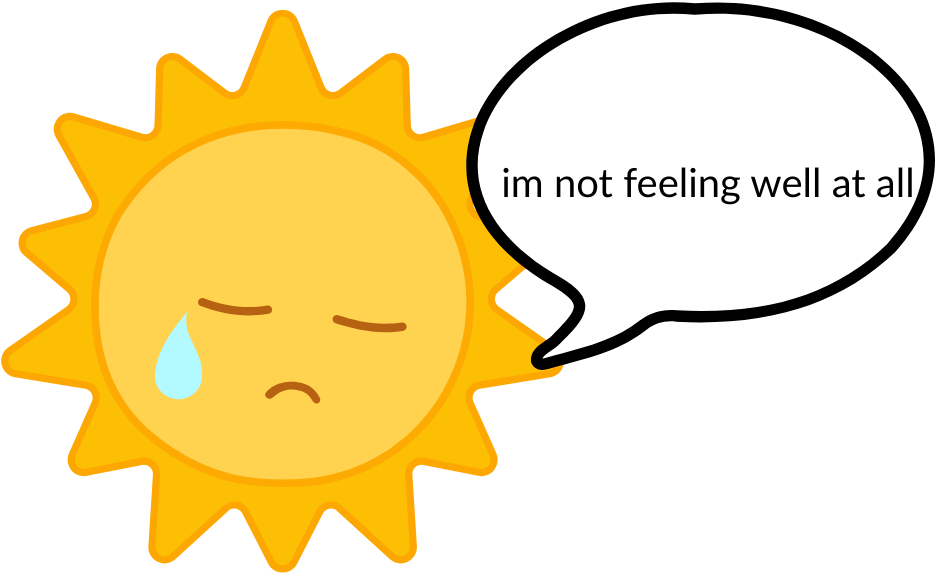
One day, the Sun felt really hurt. It had a lot of pain and started feeling sick. All this made the Sun very sad, and it started to cry.
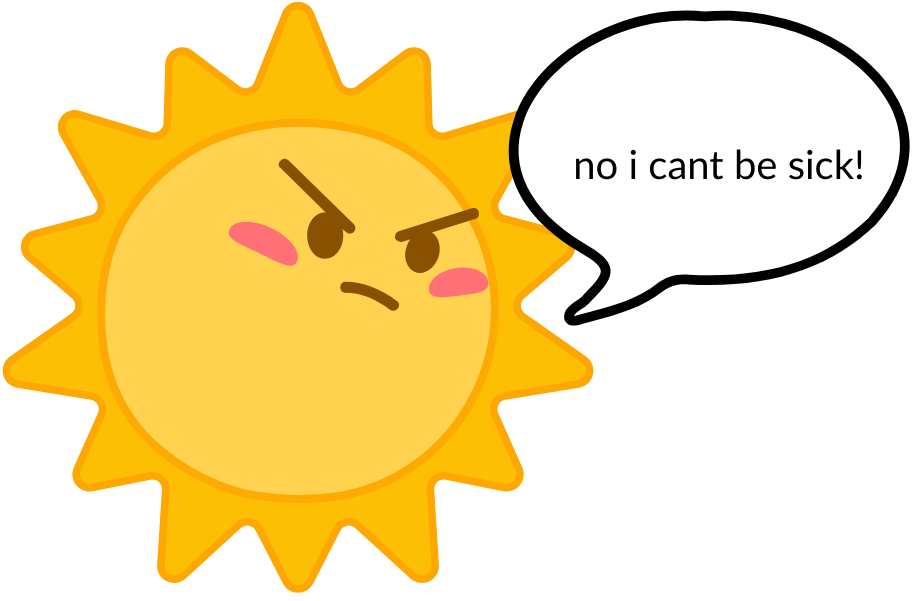
The Sun got angry. It did not want to be sick. As the Sun complained, it felt a sharp stomachache... BOOM!
🚀 Choose Your Journey
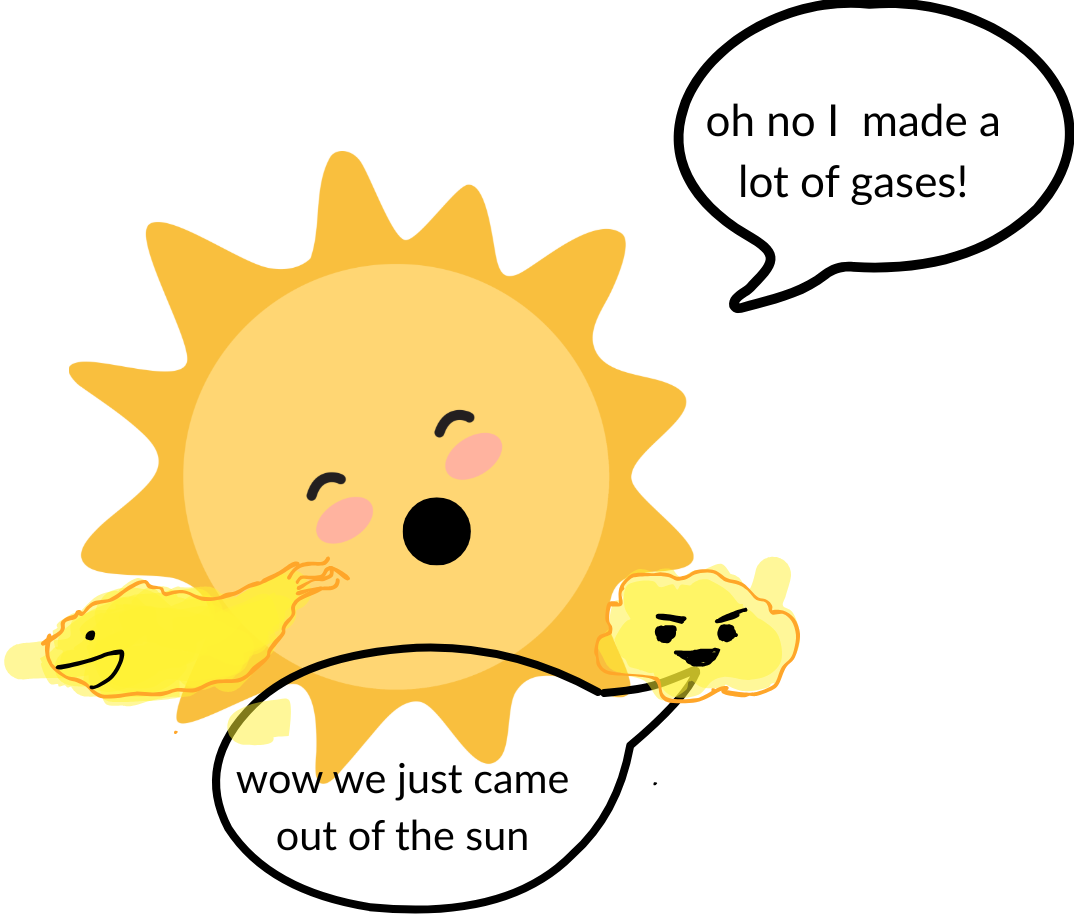
The Sun burst and made big gas bubbles called CMEs.
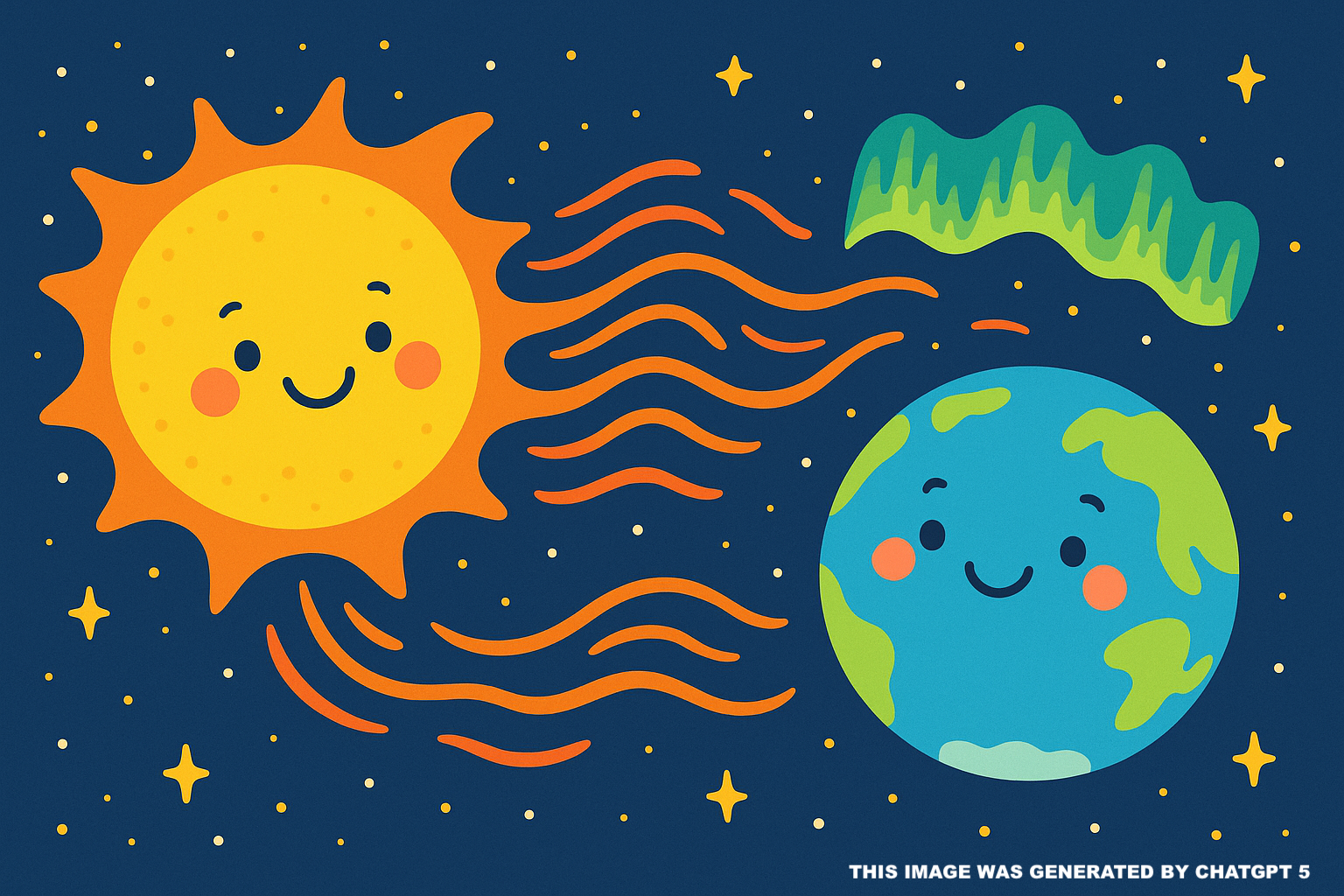
The Sun is a big ball of hot gas. Sometimes it builds up a lot of energy. When there’s too much energy, the Sun burps out a huge cloud of gas and particles into space. That big burp is called a Coronal Mass Ejection (CME)!
Which story do you want to follow?
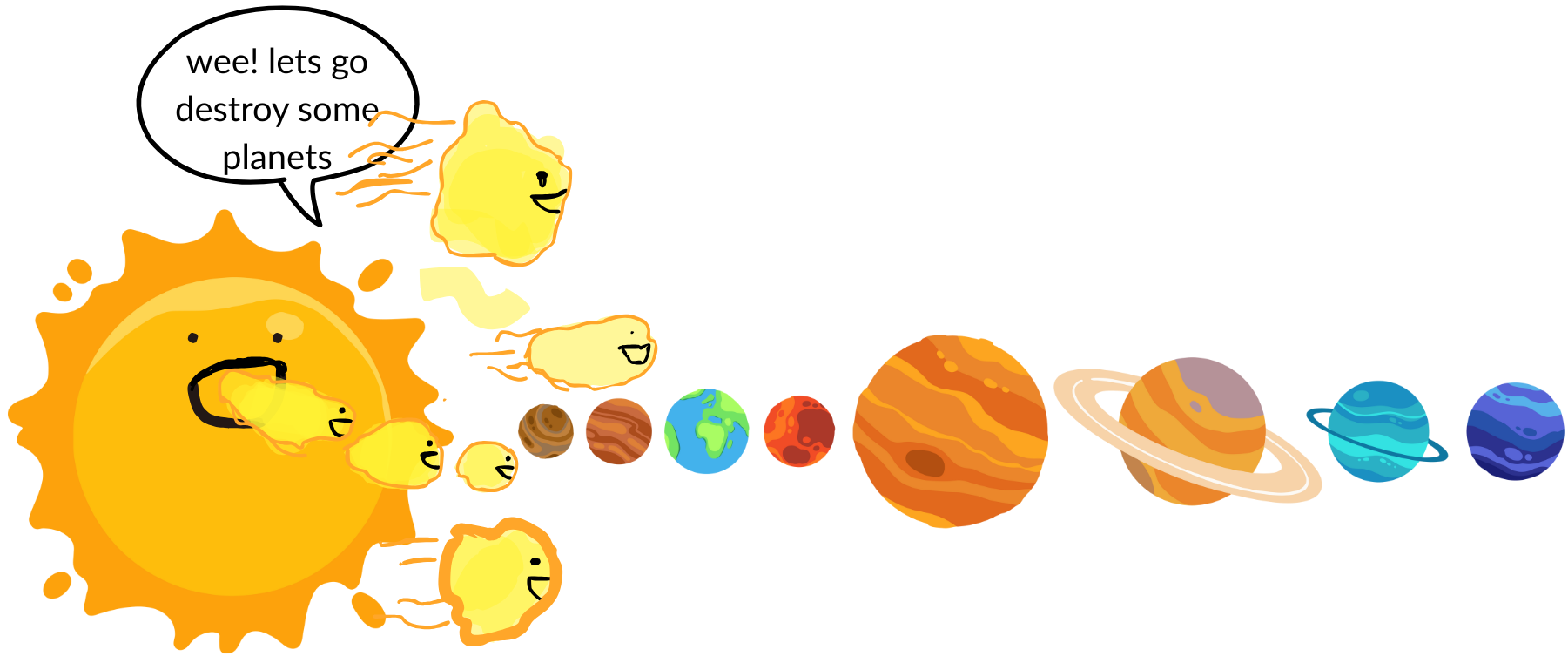
These bubbles spread through the solar system and visit each planet, one by one.
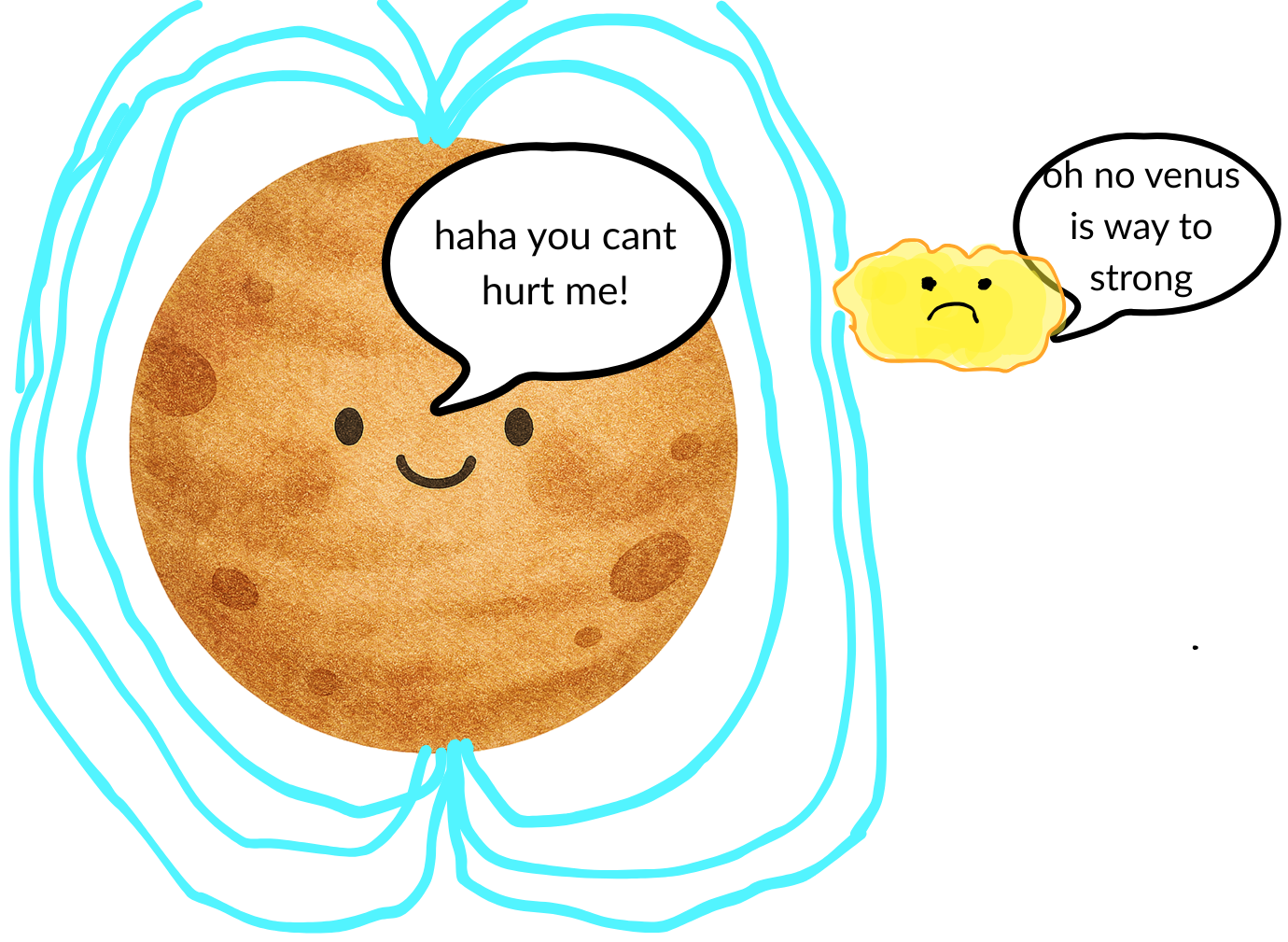
First, the CME reaches Venus. Venus has a thick blanket of gas, so the burst bounces away.
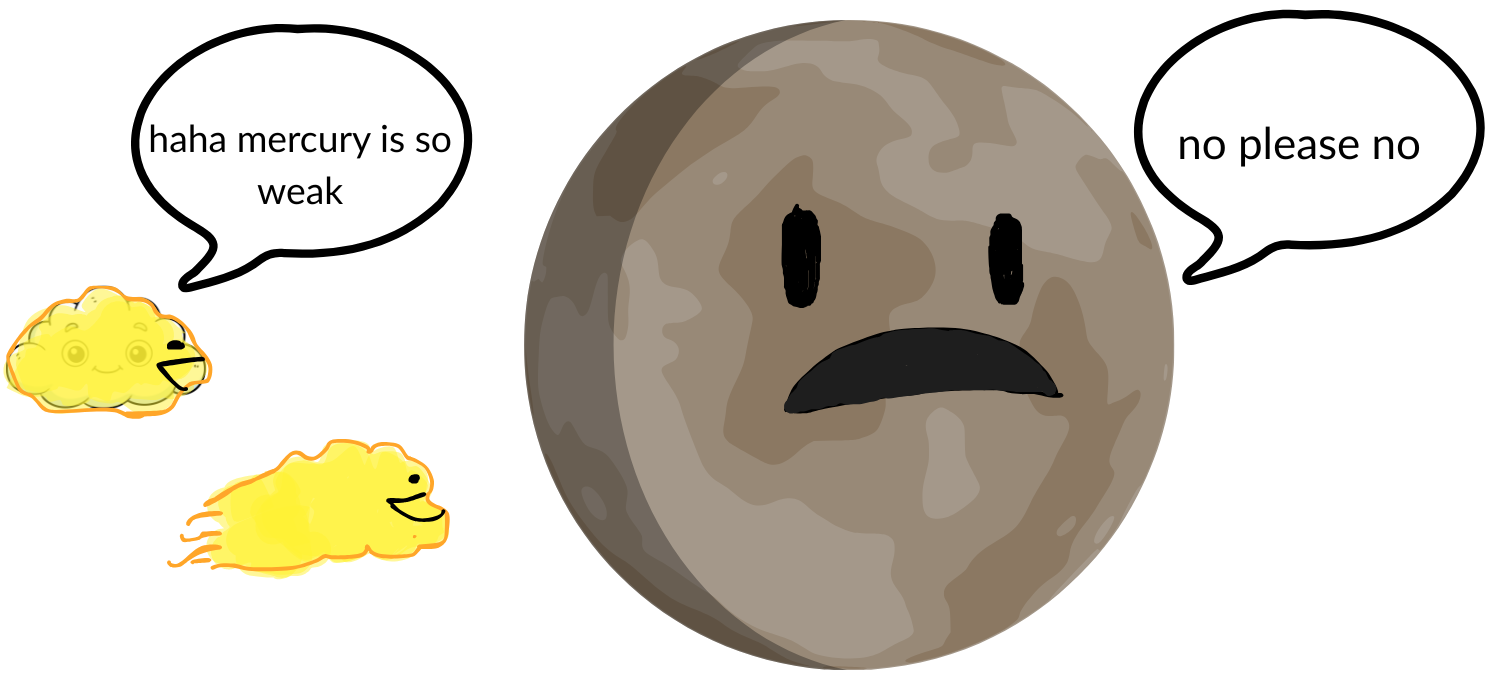
Then it reaches Mercury. Mercury has no thick blanket, so the burst hits the surface hard.
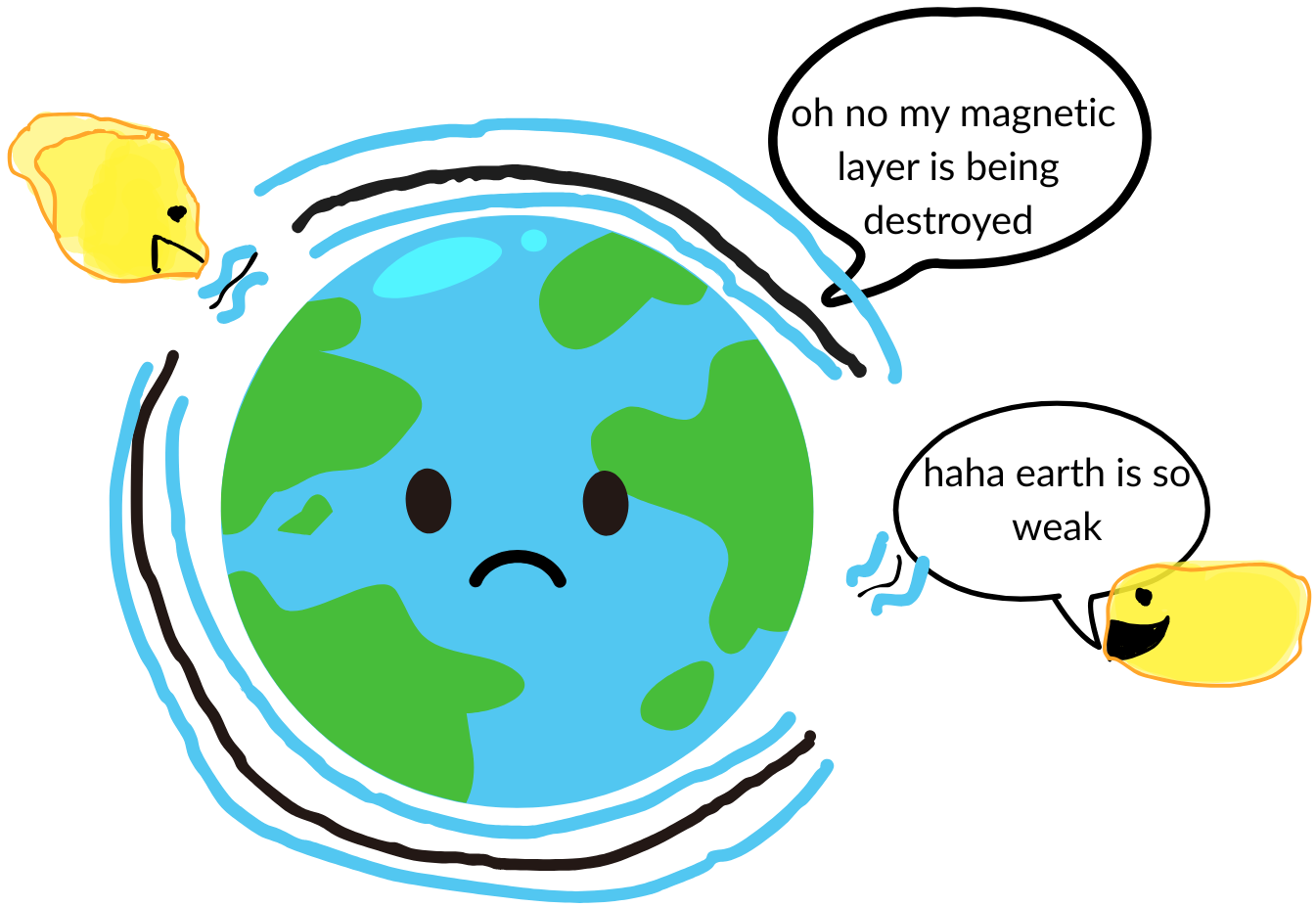
Near Earth, CMEs can push and pull our magnetic field. That can make lights dance in the sky!
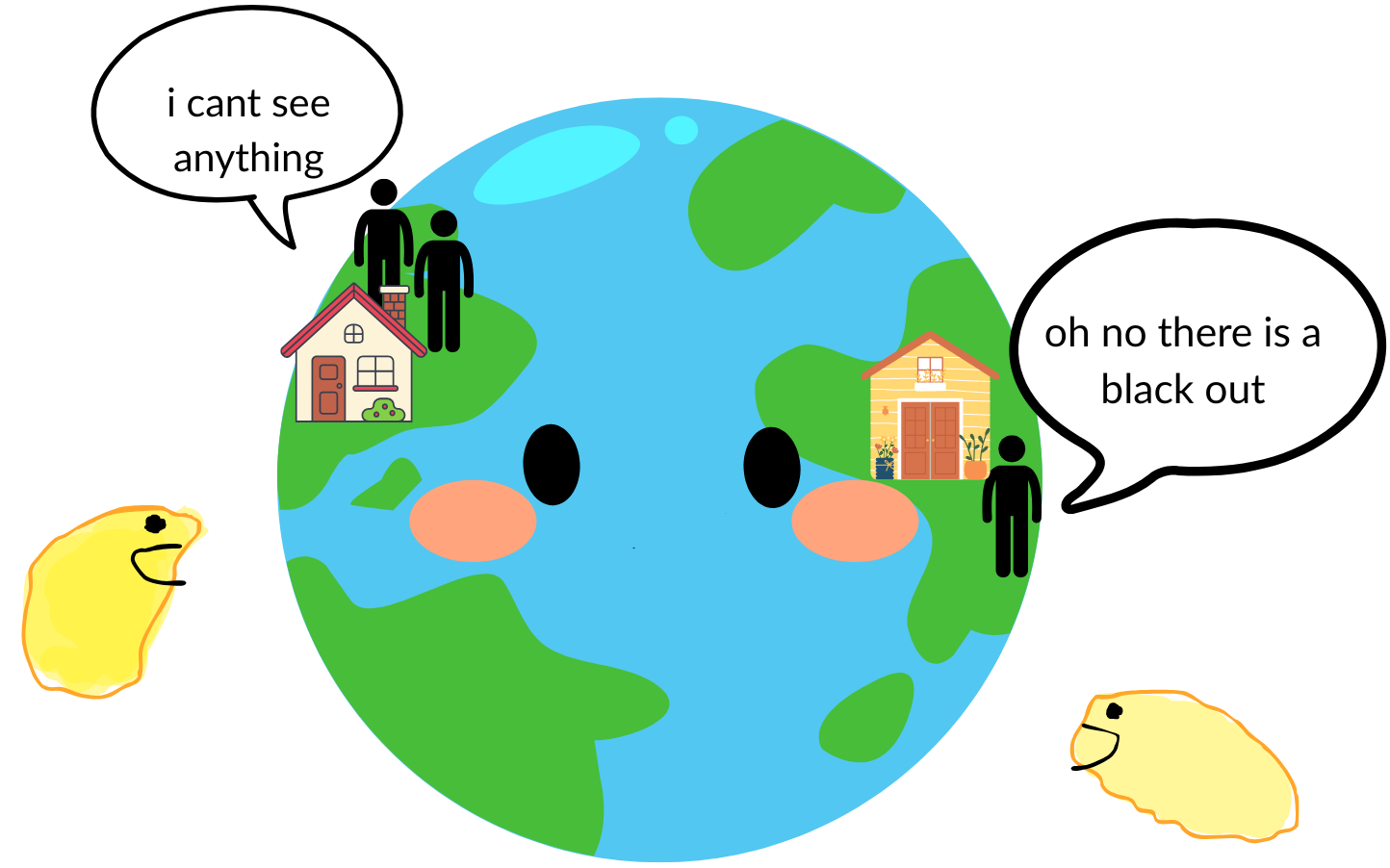
Sometimes the power can go out. That’s called a blackout.
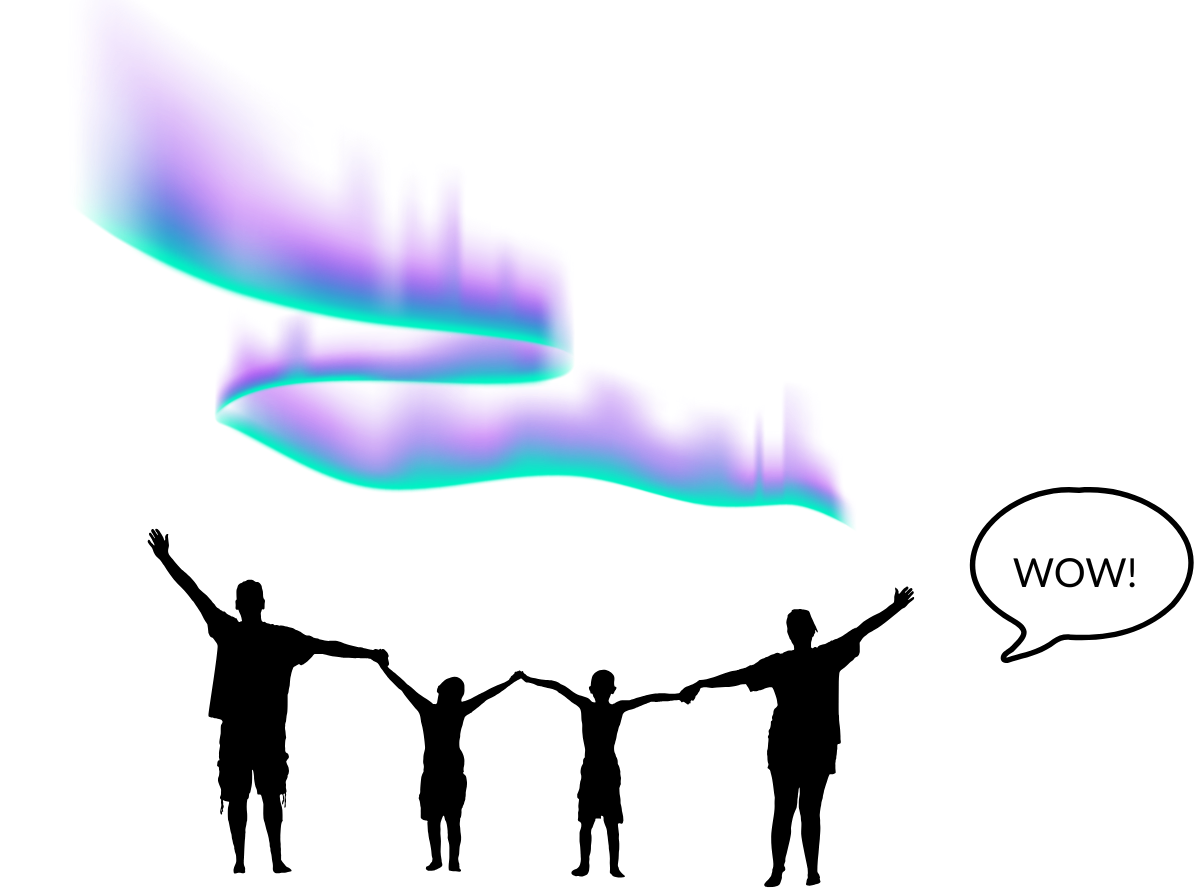
CMEs can also make beautiful auroras—colorful sky lights that paint the night!
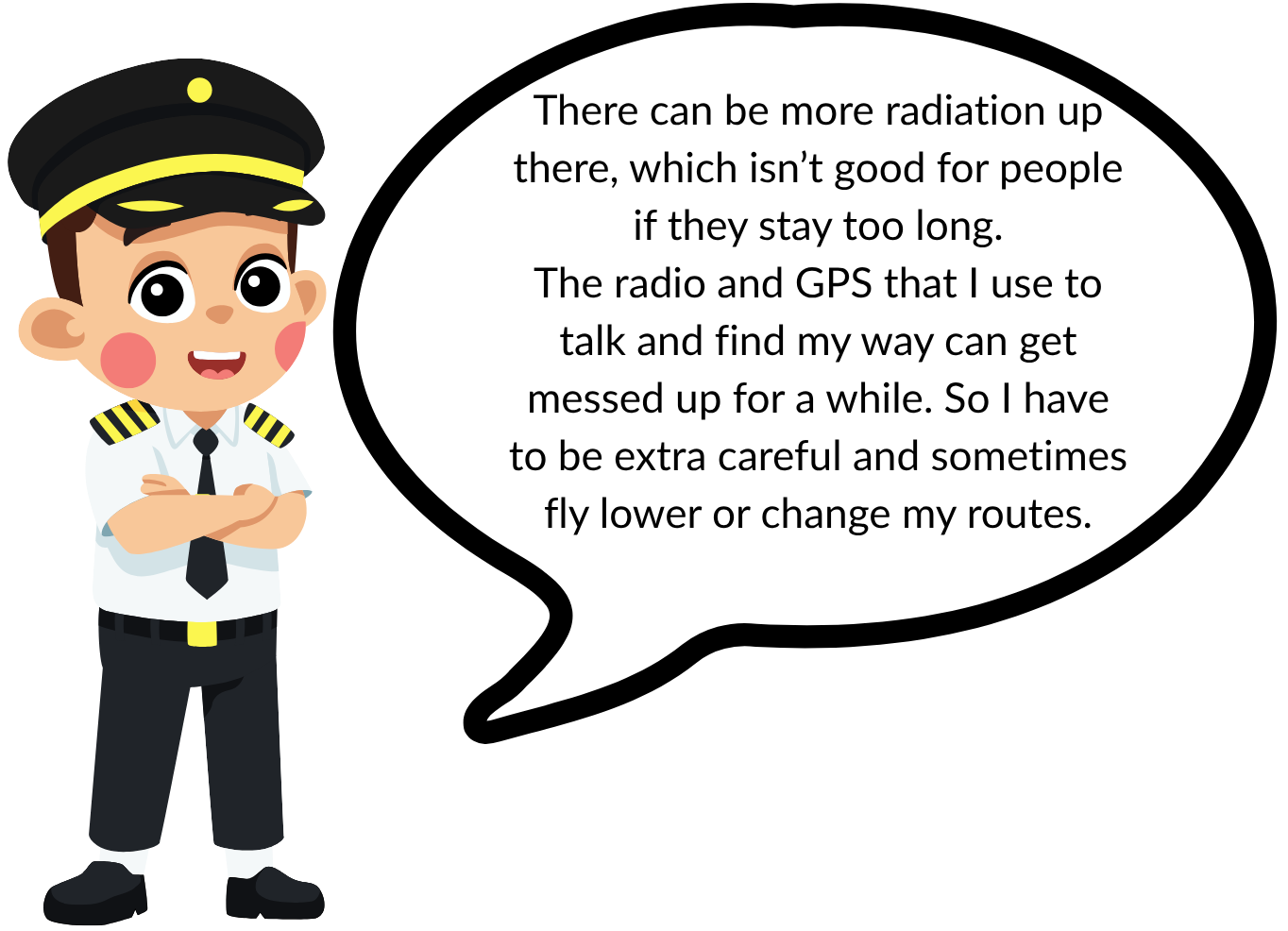
Pilots fly airplanes high up in the sky. When a CME happens, pilots may change their route to stay safe.
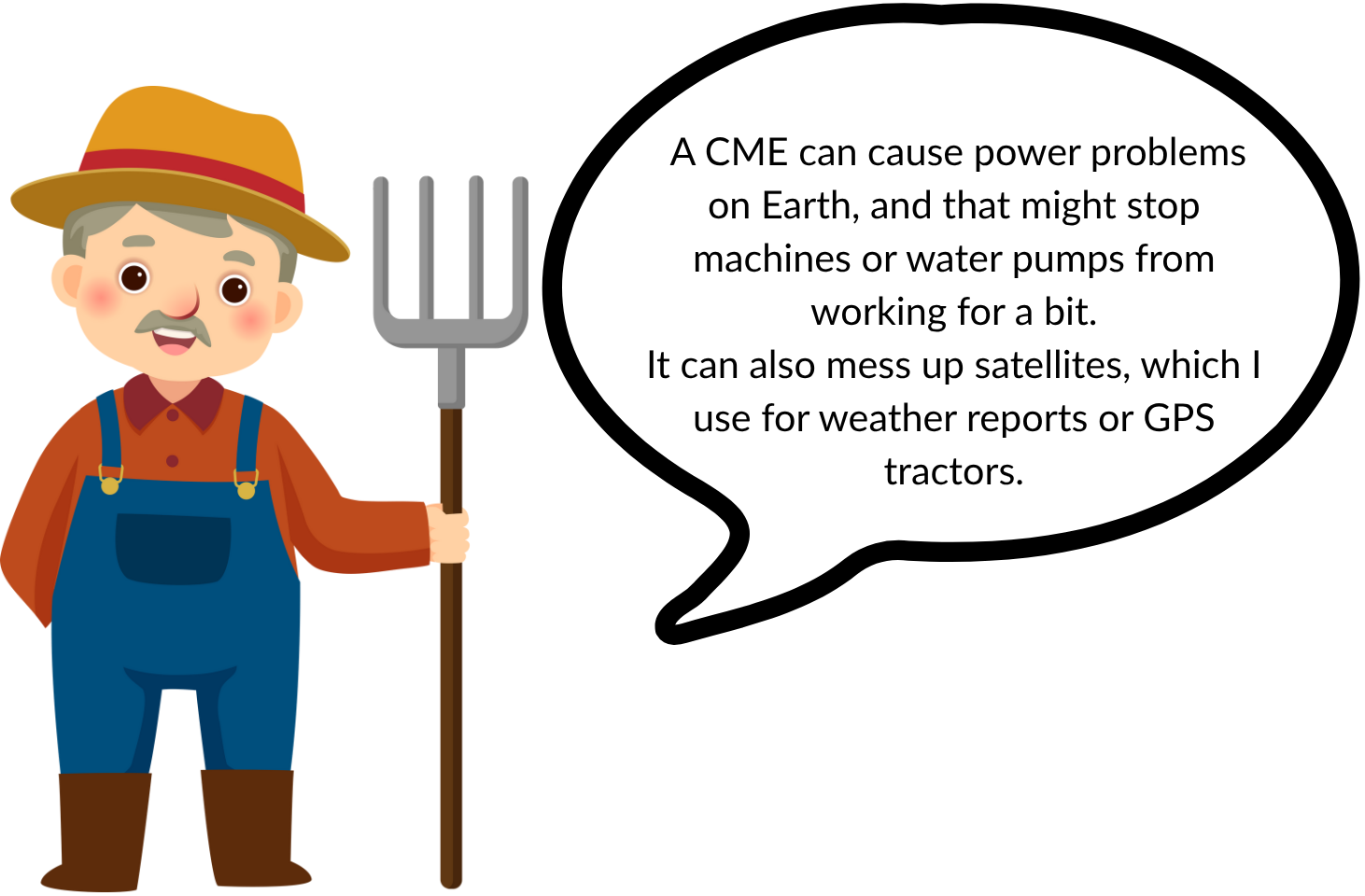
CMEs can’t affect crops directly, but they can affect the technology that farmers use to grow them.
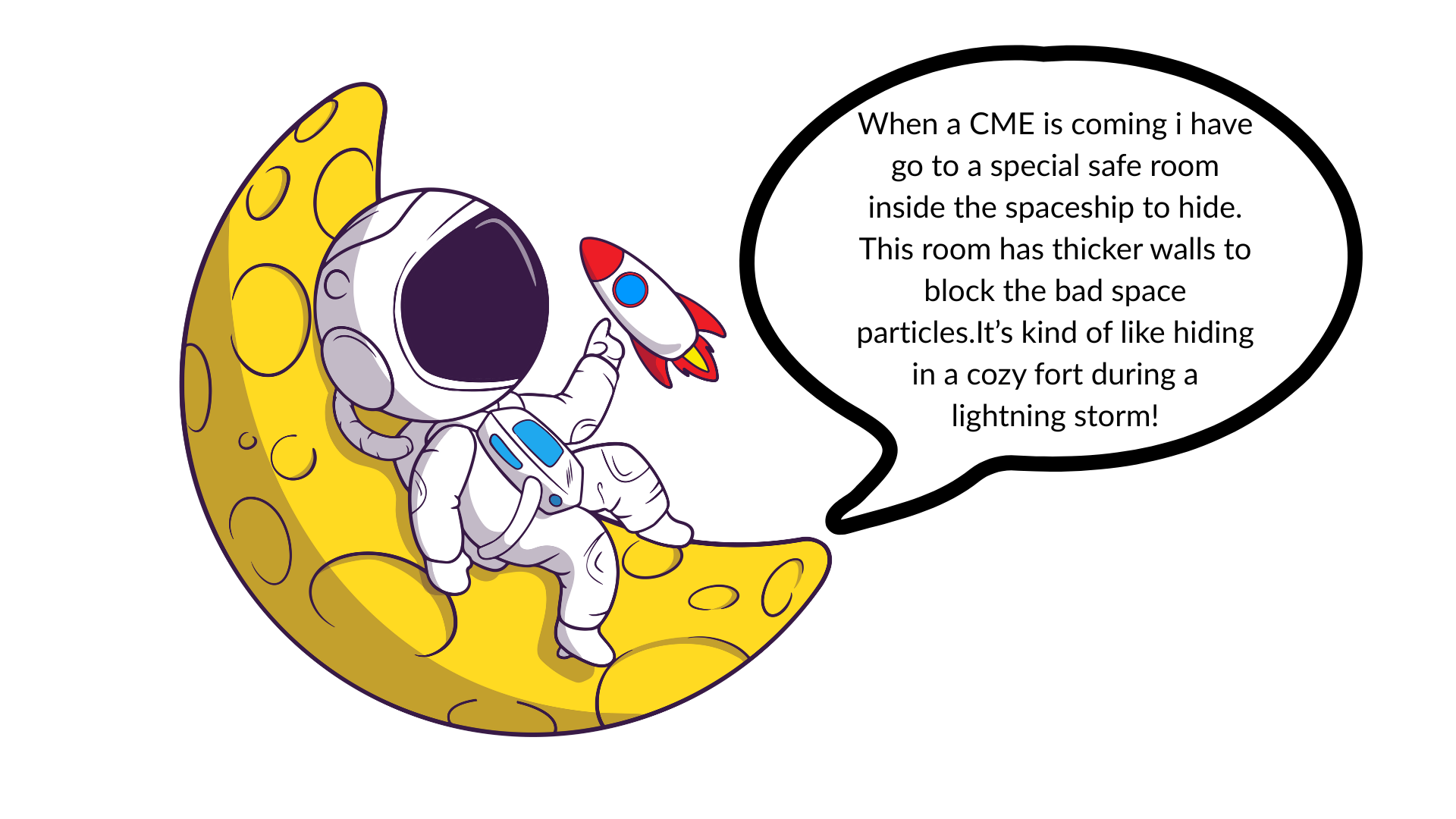
CMEs send out hot, fast space particles. These particles can be dangerous, like a super space sunburn. Astronauts don’t have Earth’s air to protect them, so they have to be extra careful!